Reliable Logistics Solutions for Your Business Needs
Experience seamless shipping with our trusted logistics services. From freight to delivery, we ensure your goods arrive on time, every time.
4K
Satisfied Clients
250
Trusted Partners
300
Professionals
Smart Solutions
Built for Proximity. Powered by AI.
Micro3PL.ai defines the Micro 3PL — a localized, AI-driven fulfillment model that distributes inventory across small nodes near customers to reduce delivery time and last-mile cost.
A Micro 3PL uses small, localized fulfillment centers to place inventory closer to customers.
It leverages AI-driven forecasting and order routing to fulfill orders from the nearest location.
This model delivers faster shipping, lower last-mile costs, and greater flexibility than traditional centralized 3PLs.
Our Vision
Micro3PL.ai exists to redefine how fulfillment works. Our vision is to replace slow, centralized logistics with intelligent, localized fulfillment networks where inventory lives closer to demand and decisions are powered by AI. We believe the future of logistics is not bigger warehouses, but smarter, distributed execution.
Why Micro3PL.ai
-
✓
Proximity-first fulfillment
Inventory is positioned closer to customers to reduce delivery time, shipping zones, and last-mile costs. -
✓
AI-driven logistics intelligence
Forecasting, routing, and inventory decisions are continuously optimized using real-time data. -
✓
Built for modern commerce
Designed for e-commerce, omnichannel retail, subscription brands, and fast-moving urban markets. -
✓
Enterprise-backed scalability
Operates locally while leveraging enterprise logistics infrastructure for reliability and growth.
Explore Team
Skilled Experts Driving Your Logistics Success Forward
Our experienced team ensures reliable, efficient logistics solutions that meet your business needs and exceed expectations.

Emma T.
Logistics Analyst
Skilled in data-driven freight optimization strategies.

David H.
Operations Manager
Expert in streamlining supply chain processes efficiently.

Nina P.
Customer Manager
Expert in delivering top-notch client support and services.

Alex S.
Freight Coordinator
Skilled in effective shipment planning and execution.
FAQs
Micro 3PL – Frequently Asked Questions
Quick answers about the Micro 3PL model, how it works, and when it’s the best fit.
What is a Micro 3PL? +
A Micro 3PL is a localized fulfillment model that places inventory in smaller nodes near customers and uses AI-driven routing to fulfill orders from the closest location—reducing delivery time and last-mile costs.
How is a Micro 3PL different from a traditional 3PL? +
Traditional 3PLs centralize inventory in large warehouses optimized for bulk storage and broad distribution. Micro 3PLs distribute inventory across multiple local nodes optimized for proximity, speed, and flexibility.
Who should use a Micro 3PL? +
Micro 3PLs are ideal for e-commerce brands, omnichannel retailers, subscription commerce, and marketplaces that need faster delivery in urban or regionally concentrated markets.
Does a Micro 3PL reduce shipping costs? +
Often, yes. By placing inventory closer to customers, Micro 3PLs reduce shipping zones and last-mile distance. Total cost depends on order velocity, delivery promise, and customer geography.
How does AI improve Micro 3PL operations? +
AI forecasts demand, recommends inventory placement, and routes orders to the best node based on proximity, capacity, and delivery speed— improving accuracy and reducing delays.
Can Micro 3PLs scale nationally? +
Yes. Micro 3PLs scale through a coordinated network of local fulfillment nodes supported by enterprise logistics infrastructure and centralized systems, rather than relying on a single mega-warehouse.
Are Micro 3PLs only for e-commerce? +
No. E-commerce is a major driver, but Micro 3PLs also support omnichannel retail, subscription services, regional distribution, and time-sensitive fulfillment across many industries.
Is Micro3PL.ai a warehouse or a logistics provider? +
Micro3PL.ai defines and advances the Micro 3PL model. Execution is supported by enterprise logistics infrastructure—so the model can stay local, intelligent, and scalable without being limited to one centralized warehouse.
Is the Micro 3PL model a good fit for Miami? +
Yes. Miami’s dense population, regional commerce, and connectivity through PortMiami and Miami International Airport make it ideal for localized fulfillment. Micro 3PL nodes can improve delivery speed across South Florida.
How fast can Micro 3PL delivery be in South Florida? +
In many cases, Micro 3PL models enable next-day and even same-day delivery within core service zones when inventory is positioned locally and capacity is available.
What products work best with a Micro 3PL? +
Fast-moving SKUs, replenishment items, DTC products, and any inventory where delivery speed improves conversion and customer satisfaction. The model is especially effective when demand clusters geographically.
When does a traditional 3PL make more sense? +
Traditional 3PLs are often better for bulk storage, low-velocity SKUs, national replenishment, wholesale/B2B distribution, and non-urgent shipping where scale beats proximity.
Newsroom
Trends and Updates in Global Logistics and Supply Chain Operations
Dive into reports, expert takes, and news shaping the future of logistics across the globe.
-
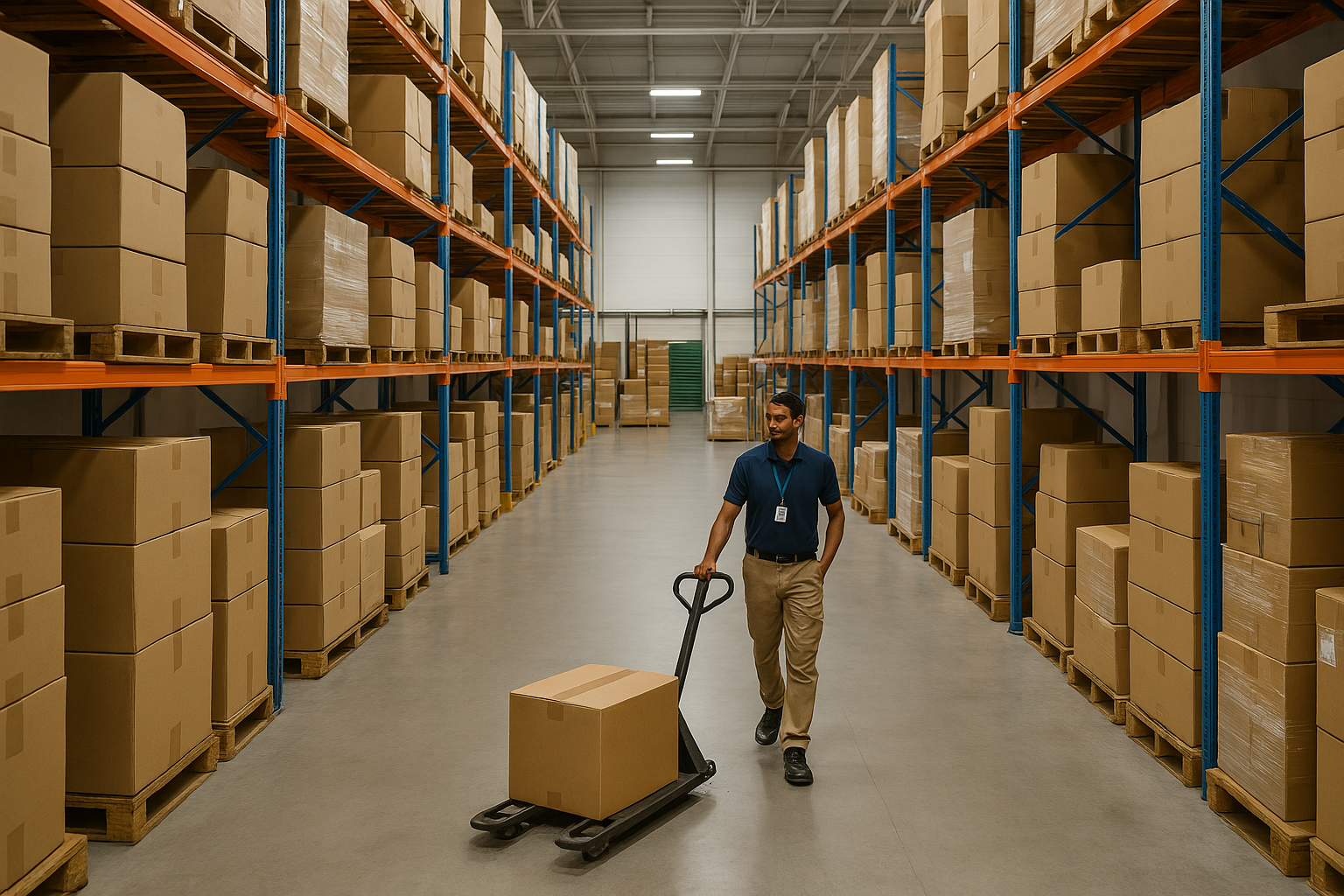
How Does the Fulfillment Process Work? A Step-by-Step Guide Whether…
-
-
In a global economy, no country operates in isolation. Goods,…
